Markets change. Customer behaviour changes. But most sales approaches… stay the same.
And that’s exactly where businesses start struggling.
In almost every industry today, whether B2C or B2B, online or offline, customers are more informed, more cautious, and more emotionally driven than ever before. They don’t want to be “sold to.” They want to be understood, guided, and supported.
Yet most businesses are still using:
-
Scripted pitches
-
Feature-heavy explanations
-
Price-first conversations
-
Pushy follow-ups
These approaches worked in the past when information was scarce and options were limited.
Today, they do the opposite. They trigger resistance.
The brands that survive and dominate, aren’t the ones with the best scripts. They’re the ones that adapt how they sell without breaking trust.
Let’s break down three real-world examples of brands that changed their sales approach as customer behaviour evolved and what you can apply directly to your own business.
Why Old-School Sales Stops Working
Before we look at examples, it’s important to understand why traditional sales fails today.
Modern customers:
-
Research before they speak to you
-
Compare emotionally, then justify logically
-
Distrust exaggerated claims
-
Want confidence, not persuasion
This means sales is no longer about:
“How do I convince them to buy?”
It’s about:
“How do I help them make the right decision?”
That shift, from persuasion to guidance, is the real evolution of sales.
And the brands below mastered it.
Example 1: Apple - Selling Solutions, Not Products



Take Apple.
Apple could easily overwhelm customers with specs:
-
Processor speed
-
RAM
-
Camera megapixels
-
Chip architecture
But they don’t.
Instead, Apple sales conversations start with questions, not features.
They ask:
-
How do you work?
-
Are you a creator or a consumer?
-
Do you travel often?
-
What frustrates you about your current device?
Only after understanding the context do they recommend a product.
What Apple Really Sells
Apple doesn’t sell phones or laptops. They sell:
-
Simplicity
-
Creativity
-
Status
-
Confidence in decision-making
This is why customers don’t feel “sold to.” They feel guided.
Sales Lesson from Apple
-
Start with the customer’s life, not your product
-
Diagnose before recommending
-
Position yourself as a problem-solver, not a pitchman
When your sales approach feels consultative, price resistance drops automatically.
Example 2: Asian Paints - Selling Clarity in a Confusing Decision



Now look at Asian Paints.
Asian Paints realised something crucial:
Customers were not confused about paint. They were confused about decisions.
Questions customers struggled with:
-
Which colour suits my home?
-
Will it look good in my lighting?
-
Who will manage the painters?
-
How long will this take?
-
What if I make the wrong choice?
Selling “paint” didn’t solve these problems.
The Pivot That Changed Everything
Asian Paints shifted from:
Selling paint to Guiding the entire home painting journey
They introduced:
-
Colour consultation
-
End-to-end painting services
-
Visualisation tools
-
Project coordination
Suddenly, the brand wasn’t a product vendor. It became a decision partner.
Sales Lesson from Asian Paints
-
Customers don’t buy products; they buy relief from confusion
-
If you simplify decisions, you win trust
-
Owning the journey is more powerful than owning the shelf
This is adaptive selling at its finest.
Example 3: Nike - Selling Identity in a Changing Market
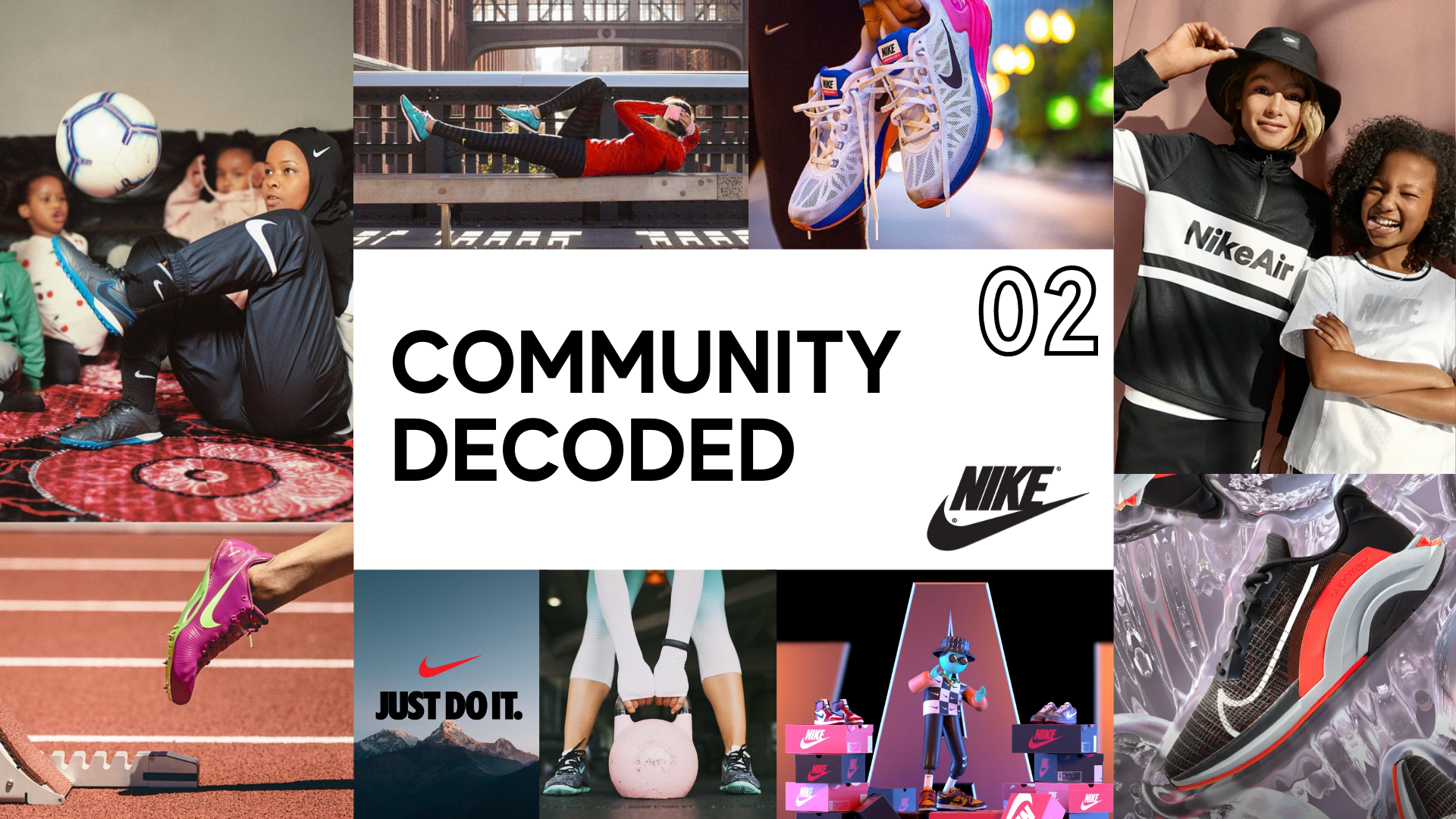

Then there’s Nike, the real gamechanger.
When buying behaviour changed, Nike didn’t panic. They didn’t obsess over channels. They didn’t chase discounts.
They doubled down on identity.
Nike’s Strategic Shift
Nike stopped talking about shoes. They started talking about:
-
Who you are
-
Who you can become
-
What you stand for
“Just Do It” isn’t a slogan. It’s a belief system.
Nike built:
-
Communities
-
Athlete stories
-
Long-term emotional relationships
Sales became a byproduct of belonging.
Sales Lesson from Nike
-
Identity-based selling outlasts transactional selling
-
Communities create lifetime value
-
When customers see themselves in your brand, loyalty becomes automatic
Nike proves that emotional resonance beats tactical brilliance.
The Pattern Across All Three Brands
Despite being in different industries, Apple, Asian Paints, and Nike share the same sales philosophy:
-
They adapted to customer psychology
-
They removed pressure from the buying process
-
They increased trust before asking for commitment
They didn’t:
-
Push harder
-
Discount aggressively
-
Over-explain features
They guided instead of sold.
How You Can Apply This to Your Own Business
Ask yourself:
-
Are you starting conversations with your offer or their reality?
-
Are you simplifying decisions or adding confusion?
-
Are you selling transactions or building identity and trust?
A Simple Adaptive Sales Framework
-
Understand before you explain
-
Guide before you recommend
-
Build trust before you ask for a sale
This works in:
-
Retail
-
Services
-
Consulting
-
Real estate
-
Manufacturing
-
Coaching
-
Local businesses
Because human psychology doesn’t change, only behaviour does.
Frequently Asked Questions
Is adaptive selling only for big brands?
No. Small businesses benefit even more because trust travels faster in close markets.
Does this approach take longer to close sales?
Initially, no. Long-term, it closes faster because resistance is lower.
What if my team is used to scripts?
Scripts should guide structure, not control conversations.
Does this work offline?
Especially offline. Human connection matters even more in physical interactions.
Conclusion - Perception Is Reality
Markets change. Customer behaviour changes. Sales scripts should change too.
The brands that win aren’t louder. They’re smarter, calmer, and more human.
Perception is Reality.
When your sales approach adapts to how people feel and decide, customers don’t feel sold to, they feel supported.
And when customers feel supported, sales stop being a struggle and start becoming a natural outcome.